Smithery now lets you upload and host Skills directly on the platform, eliminating the need for external GitHub repositories. This simplifies deployment workflows for builders creating AI Skills.
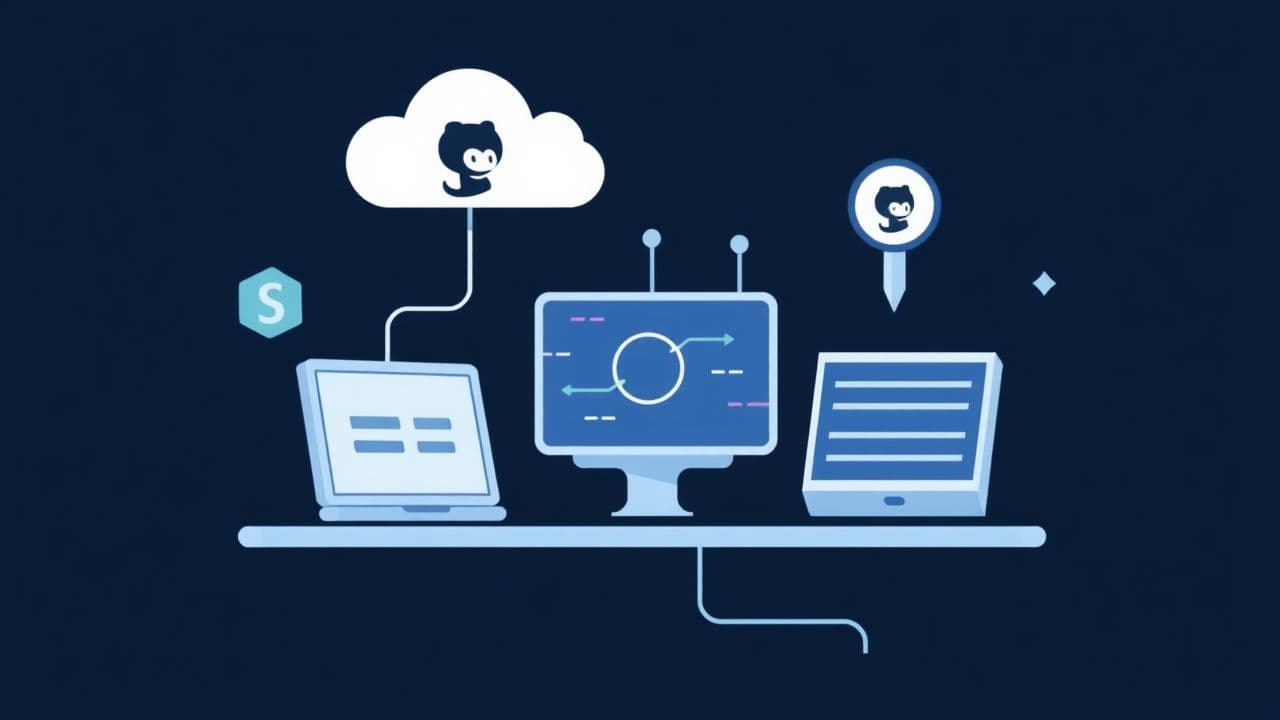
Builders get faster deployment with fewer external dependencies; Smithery gets deeper platform lock-in and vertical integration.
Signal analysis
Smithery previously required Skills to be hosted on GitHub with URLs pointing back to the platform. This created friction: you needed a GitHub account, repository setup, and version management overhead just to deploy a Skill. The new native upload system removes this intermediary step.
Builders can now upload Skill code directly through Smithery's interface and have the platform handle hosting. This is a straightforward infrastructure consolidation—one fewer external dependency in your deployment chain.
The change doesn't appear to eliminate GitHub integration as an option; it simply adds an alternative path for teams that want self-contained deployments without external repository management.
Deployment friction kills iteration velocity. Every external dependency adds cognitive load and integration points. By hosting Skills directly, Smithery removes a decision tree: no GitHub account setup, no branch management decisions, no repository permissions to configure.
This particularly benefits solo builders and small teams who don't already have GitHub workflows in place. It also serves enterprise teams that prefer keeping all artifacts in a single platform for compliance and audit reasons.
The move signals that Smithery is positioning itself as a complete Skill lifecycle platform—not just a discovery or execution layer, but a full development environment from code to deployment. That's a material shift in competitive positioning.
Platform consolidation is accelerating. Tools that used to be distribution layers (like Smithery) are now building vertical stacks. Direct hosting capability means Smithery isn't just connecting you to Skills—it's becoming the infrastructure for hosting them. This is table stakes for competing AI tool platforms.
GitHub's dominance in workflow integration is being tested. As AI platforms mature, they're reducing GitHub dependency by building native version control, hosting, and deployment. This doesn't mean GitHub disappears, but it means less mandatory lock-in to their ecosystem for AI-specific workloads.
The removal of external dependency reflects a broader builder preference: fewer tools, tighter integration, simpler mental models. This is directly opposite to the 2020-era microservices mentality. Builders want consolidated platforms that reduce switching costs.
If you're currently using GitHub for Skill management, evaluate whether direct Smithery hosting simplifies your workflow. This isn't a forced migration—it's an option to reduce steps. Test it with a new Skill before assuming it's better; some teams benefit from having Skill code in version-controlled repositories.
For new Skill projects, default to direct Smithery upload unless you have a specific reason for GitHub (like shared code libraries, team-wide version control standards, or complex CI/CD pipelines). It's the faster path to deployment.
Track how many teams adopt native hosting versus GitHub integration. If adoption skews toward native hosting, it signals platform satisfaction and suggests Smithery is winning on developer experience. If most teams still use GitHub, it indicates either habit, existing infrastructure dependencies, or that the GitHub option still offers material advantages.
Best use cases
Open the scenarios below to see where this shift creates the clearest practical advantage.
One concise email with the releases, workflow changes, and AI dev moves worth paying attention to.
More updates in the same lane.
The latest Cursor update enhances AI tool integration, streamlining developer workflows and increasing productivity.
Unlock new productivity with the latest Cursor update, featuring enhanced AI tools for developers.
OpenAI's recent update introduces enhanced features that streamline developer workflows and boost automation capabilities.
