The introduction of V2X-QA marks a significant advancement in evaluating multimodal large language models for autonomous driving, focusing on cooperative and infrastructure-centric perspectives. This new benchmark promises to enhance real-world applications in the automotive sector.
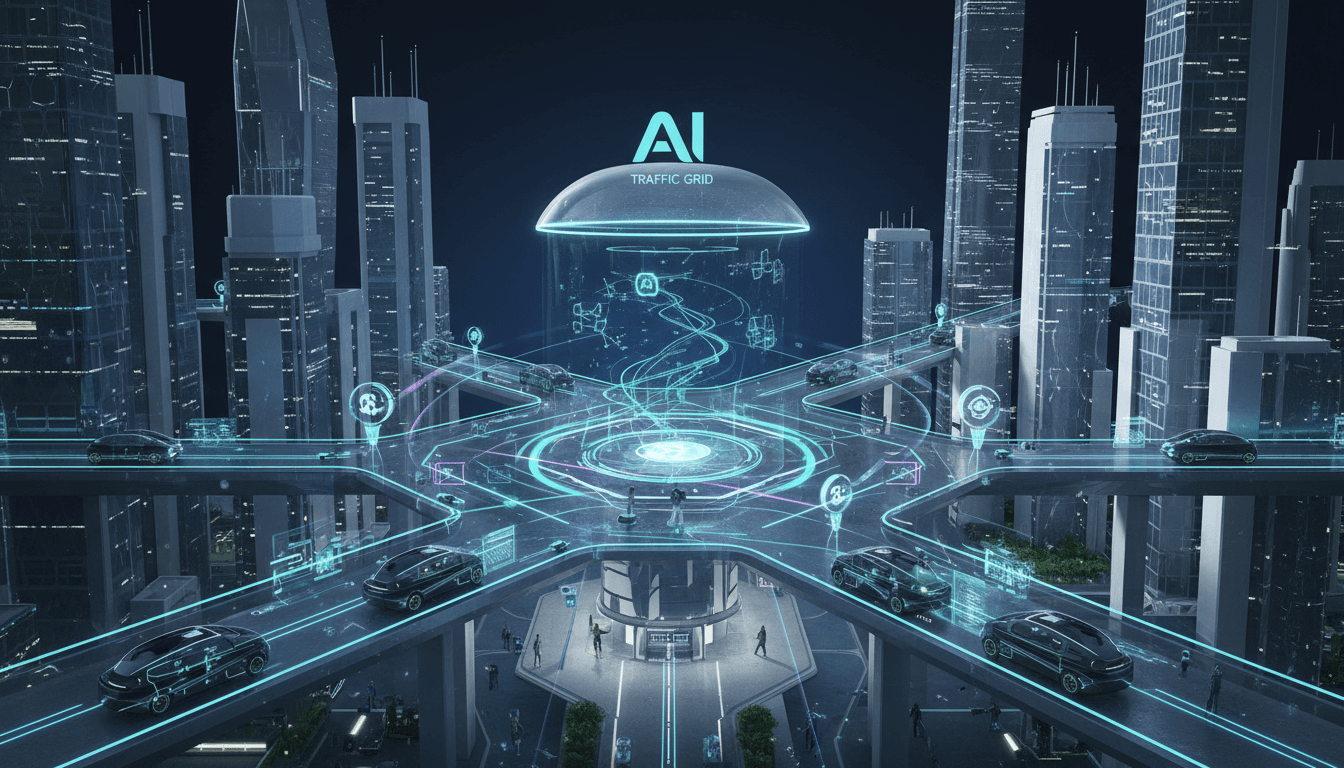
V2X-QA benchmark enables standardized evaluation of autonomous vehicle communication systems, accelerating development and providing path toward regulatory acceptance.
Signal analysis
The autonomous driving research community has a new standardized benchmark: V2X-QA. This benchmark specifically targets Vehicle-to-Everything communication scenarios, providing a consistent evaluation framework for V2X-enabled autonomous systems.
V2X-QA addresses a critical gap in autonomous driving evaluation. Existing benchmarks focus primarily on single-vehicle perception, but real-world deployment requires vehicles to communicate with infrastructure, pedestrians, and other vehicles. This benchmark evaluates that interconnected reality.
V2X communication promises to solve the hardest autonomous driving challenges. A vehicle approaching a blind intersection can receive warnings about pedestrians it cannot see. Infrastructure sensors can provide traffic flow data enabling optimal routing decisions.
Without standardized benchmarks, comparing V2X system performance was nearly impossible. Each research team used proprietary datasets with different annotation schemes. V2X-QA changes this by providing common ground for reproducible evaluation.
V2X-QA integrates with standard autonomous driving development pipelines. The benchmark provides Python APIs compatible with PyTorch and TensorFlow, plus ROS integration for teams using robot operating system middleware.
Start by downloading the benchmark dataset and installing evaluation tools. The dataset includes synchronized sensor data, V2X messages, and ground truth annotations. Run baseline models first to understand expected performance ranges before evaluating your own systems.
V2X-QA evaluates three primary capabilities: cooperative perception, communication-aware planning, and graceful degradation. Cooperative perception tests how well systems fuse data from multiple sources. Planning evaluation measures decision quality under varying communication conditions.
Graceful degradation is particularly critical. Real V2X deployments will experience packet loss, latency spikes, and complete communication failures. Systems must handle these scenarios safely, falling back to single-vehicle operation without dangerous behavior.
V2X-QA emergence signals maturing V2X technology readiness for real deployment. Regulators increasingly require demonstrated safety through standardized testing. This benchmark provides the evaluation framework needed for certification discussions.
Expect rapid iteration as the autonomous driving community adopts V2X-QA. Initial benchmark results will identify capability gaps, driving research investment. Within two years, V2X-QA scores may become standard requirements for autonomous vehicle testing permits.
Watch the breakdown
Prefer video? Watch the quick breakdown before diving into the use cases below.
Best use cases
Open the scenarios below to see where this shift creates the clearest practical advantage.
One concise email with the releases, workflow changes, and AI dev moves worth paying attention to.
More updates in the same lane.
The latest Cursor update enhances AI tool integration, streamlining developer workflows and increasing productivity.
Unlock new productivity with the latest Cursor update, featuring enhanced AI tools for developers.
OpenAI's recent update introduces enhanced features that streamline developer workflows and boost automation capabilities.
