Runway's CEO proposes AI-powered film production that could enable studios to create 50 films for the cost of one $100 million blockbuster, fundamentally shifting Hollywood's hit-making strategy.
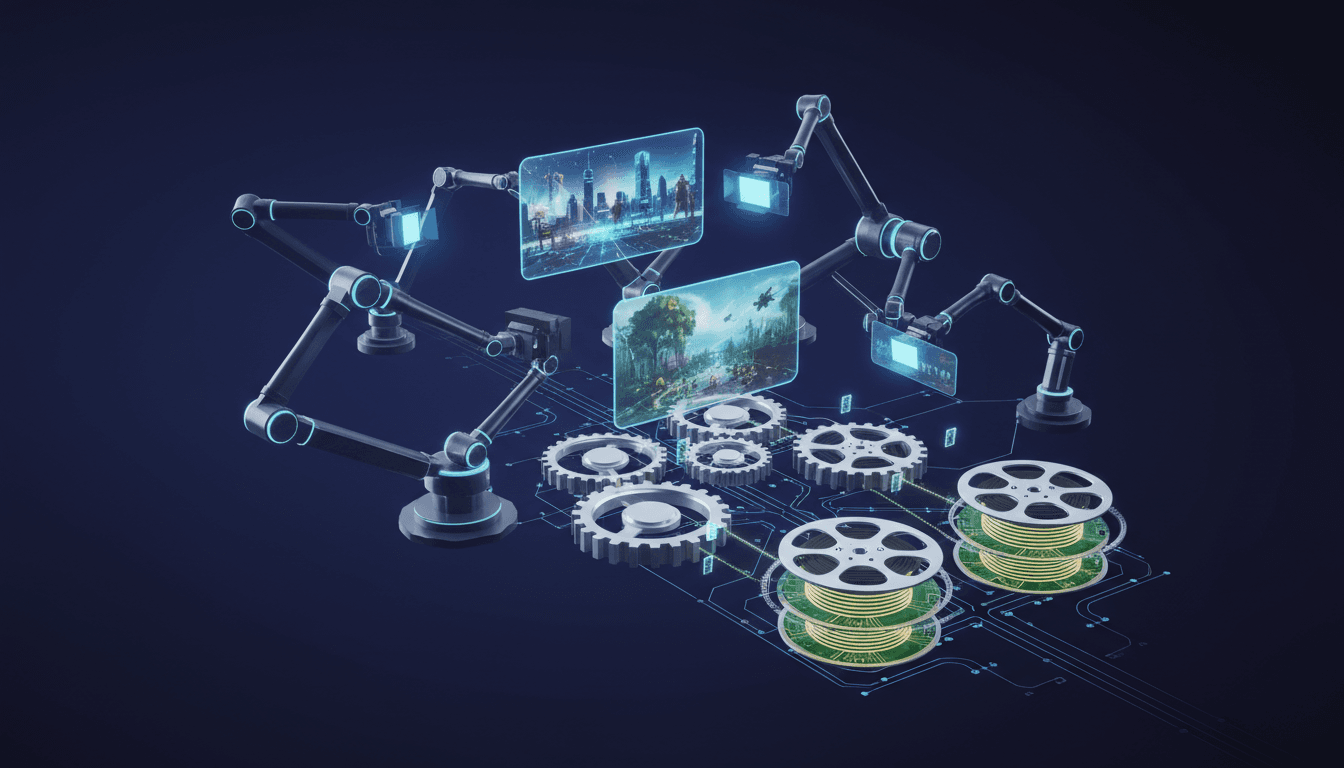
AI film production enables creators to produce 50 high-quality films for the cost of one traditional blockbuster, democratizing professional filmmaking while improving hit-making probability through volume-based content strategies.
Signal analysis
Runway's CEO has unveiled a transformative vision for AI film production that could reshape Hollywood's economic model by 2026. The proposal centers on using artificial intelligence to dramatically reduce production costs, enabling studios to create 50 films for the price of a single $100 million blockbuster. This approach leverages Runway's advanced video generation technology to automate significant portions of the filmmaking process, from pre-visualization to post-production effects. The strategy represents a fundamental shift from the current high-risk, high-reward blockbuster model to a volume-based approach that increases the statistical probability of producing hit content.
The technical foundation of this AI film production model relies on Runway's generative video capabilities, which can create realistic scenes, characters, and environments without traditional filming requirements. The platform's latest models can generate consistent character appearances across multiple scenes, maintain narrative continuity, and produce cinema-quality visuals that previously required extensive crews and expensive equipment. This technology stack includes advanced motion tracking, facial animation systems, and environmental rendering that can simulate complex lighting conditions and camera movements. The cost reduction comes primarily from eliminating location shoots, reducing crew sizes, and accelerating post-production workflows through automated editing and effects generation.
Compared to traditional filmmaking, this AI-driven approach could reduce production timelines from 18-24 months to 3-6 months per film. Current blockbuster productions typically allocate 40-60% of budgets to crew costs, location expenses, and equipment rentals - expenses that AI production significantly minimizes. The model also eliminates weather delays, scheduling conflicts with talent, and the logistical complexities of coordinating large production teams across multiple locations. However, the approach still requires human creativity for storytelling, direction, and performance capture, positioning AI as a production tool rather than a complete replacement for human filmmakers.
Independent filmmakers and small production companies represent the primary beneficiaries of AI film production technology. These creators typically operate with budgets under $5 million and struggle to compete with major studio productions for audience attention. AI tools enable them to achieve visual quality previously accessible only to big-budget productions, leveling the creative playing field. Mid-tier streaming platforms also benefit significantly, as they can commission original content at dramatically reduced costs while maintaining production values that satisfy viewer expectations. Content creators working in genres that rely heavily on visual effects - science fiction, fantasy, and action - gain particular advantages from AI-generated environments and sequences.
Regional and international production markets stand to benefit from reduced location dependencies and crew requirements. Countries with emerging film industries can produce globally competitive content without investing in extensive physical infrastructure or importing expensive talent and equipment. Educational institutions and film schools can use AI production tools to provide students with professional-grade filmmaking experience without prohibitive equipment costs. Marketing agencies and corporate video producers can leverage these technologies to create high-quality promotional content and training materials at previously impossible scale and speed.
However, traditional film crews, location services, and equipment rental companies should approach this transition cautiously. While AI reduces demand for certain roles, it creates new opportunities in AI operation, digital asset creation, and hybrid production workflows. Actors and directors who adapt to performance capture and AI-assisted direction techniques will find expanded opportunities, while those resistant to technological integration may face reduced demand. Investors and distributors should wait for proven audience acceptance of AI-generated content before making significant strategic shifts, as viewer preferences for AI versus traditional production remain uncertain.
Beginning AI film production requires establishing a hybrid workflow that combines traditional pre-production planning with AI-generated assets. Start by developing detailed storyboards and character designs that can guide AI generation systems. Runway's platform requires specific prompt engineering techniques and consistent visual reference materials to maintain character and environment continuity across scenes. Prepare shooting scripts with detailed scene descriptions, camera angles, and lighting specifications that translate effectively to AI prompts. Invest in motion capture equipment for performance recording, as human acting remains crucial for emotional authenticity and narrative coherence.
Configure your AI production pipeline by integrating Runway's video generation tools with traditional editing software like Avid, Premiere, or DaVinci Resolve. Establish consistent naming conventions and file organization systems to manage the high volume of generated assets. Set up automated backup systems, as AI-generated content can be difficult to recreate exactly if lost. Create template workflows for common scene types - dialogue scenes, action sequences, establishing shots - to streamline repetitive generation tasks. Develop quality control checkpoints to ensure generated content meets your visual standards before proceeding to subsequent production phases.
Verify your setup by producing test sequences that demonstrate character consistency, environmental continuity, and technical quality standards. Create reference libraries of approved character models, environmental assets, and visual effects elements for reuse across multiple projects. Test integration between AI-generated backgrounds and live-action elements through green screen compositing workflows. Establish collaboration protocols for teams working with both traditional and AI-generated assets, including version control systems and review processes that accommodate the iterative nature of AI content generation.
Runway's AI film production approach positions against traditional studios and emerging AI competitors like Stability AI's video models and OpenAI's Sora. Unlike these alternatives, Runway focuses specifically on professional film production workflows rather than general video generation. The platform offers superior character consistency and narrative continuity features essential for feature-length content, while competitors excel in shorter-form content generation. Runway's integration with professional editing tools and color grading systems provides advantages for studios requiring broadcast-quality output and established post-production workflows.
The volume-based production model creates specific competitive advantages in content diversification and risk management. Traditional studios concentrating resources on individual blockbusters face significant financial exposure if projects fail to achieve expected returns. Runway's approach enables portfolio-style content creation, where statistical probability favors producing multiple successful films from larger project volumes. This strategy particularly advantages streaming platforms competing for subscriber attention through content variety rather than individual tentpole releases. The model also enables rapid response to trending topics and audience preferences through accelerated production timelines.
However, current limitations include audience acceptance of AI-generated content and potential quality inconsistencies in complex scenes. Traditional production maintains advantages in practical effects, authentic locations, and established star power that drives audience engagement. The technology requires significant technical expertise to operate effectively, creating barriers for smaller production companies without dedicated AI specialists. Additionally, industry unions and regulatory frameworks have not yet adapted to AI production workflows, potentially creating legal and contractual complications for early adopters.
Runway's roadmap for 2026 includes enhanced character modeling capabilities, improved scene-to-scene continuity, and integration with virtual production techniques used in major studio productions. The platform plans to introduce collaborative features enabling multiple creators to work simultaneously on shared projects, addressing the workflow needs of larger production teams. Advanced motion capture integration will enable real-time AI generation during filming, allowing directors to see final composite results immediately rather than waiting for post-production. These developments position AI film production as a complement to rather than replacement for traditional techniques.
The integration ecosystem will likely expand to include major camera manufacturers, editing software providers, and distribution platforms. Partnerships with streaming services could create direct pathways from AI production tools to audience delivery, streamlining the entire content creation pipeline. Cloud-based rendering services will reduce hardware requirements for smaller production companies, making professional-quality AI film production accessible to broader creator communities. Industry training programs and certification systems will emerge to standardize AI production skills and establish professional competency frameworks.
Long-term implications suggest a fundamental restructuring of film industry economics and creative processes. The success of volume-based production models could influence how studios approach content development, potentially leading to more diverse storytelling and increased opportunities for underrepresented creators. However, the transition period will likely create significant industry disruption as traditional roles evolve and new technical specializations emerge. Regulatory frameworks governing AI-generated content, intellectual property rights, and performer compensation will need substantial development to support widespread adoption of these production methods.
Best use cases
Open the scenarios below to see where this shift creates the clearest practical advantage.
One concise email with the releases, workflow changes, and AI dev moves worth paying attention to.
More updates in the same lane.
Unlock the potential of multi-agent kernels to streamline AI workflows and enhance collaborative automation.
Google DeepMind's new partnerships aim to leverage frontier AI, providing organizations with innovative tools to enhance operations and decision-making.
Google's new specialized TPUs promise to significantly boost AI performance, setting the stage for more advanced applications.
